Driveway Repair Service Areas in the Phoenix Metro
Driveway repair across Phoenix and the surrounding Valley, with a page for each area that explains the local permit office, soil and housing that shape the work.
Sundial Driveway Repair offers and manages driveway repair across the Phoenix metro, fulfilled by licensed and insured contractors. The repair methods are the same from Surprise to Queen Creek; what changes from one area to the next is who issues the permit when work reaches the street, how old the housing stock is, and what the soil under the slab does when it gets wet. Each area page below covers those differences and links to the services that fit them.
If your city isn’t listed, the work may still be offered there: ask for an estimate with your ZIP code. For a budget before anyone visits, the cost estimator uses the same published ranges everywhere in the Valley, and the Phoenix driveway permit guide covers the City of Phoenix rules.
15 areas with their own page
-
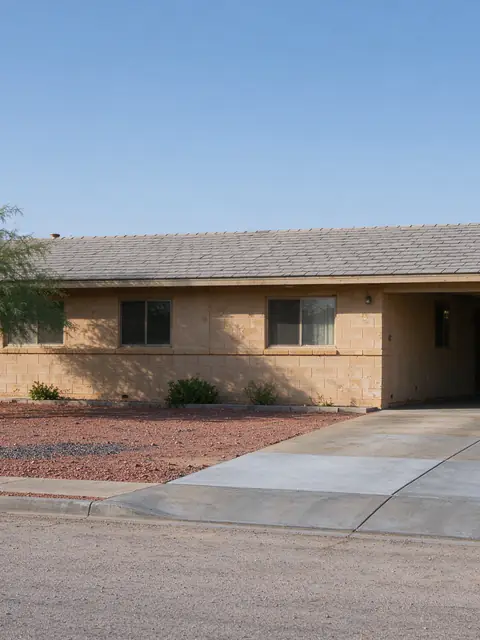
Mesa
City of Mesa
-
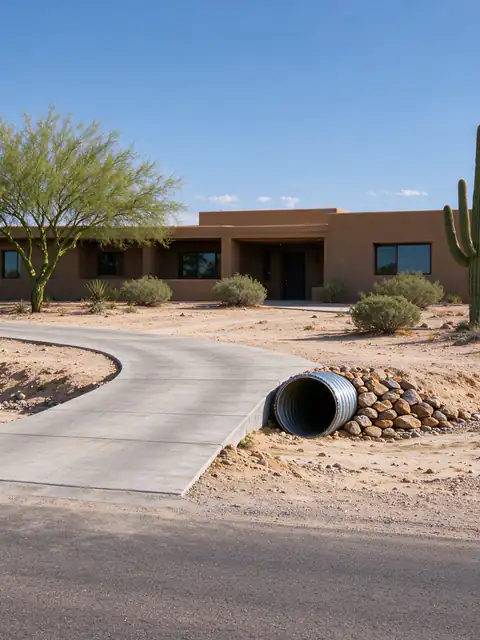
Scottsdale
City of Scottsdale
-
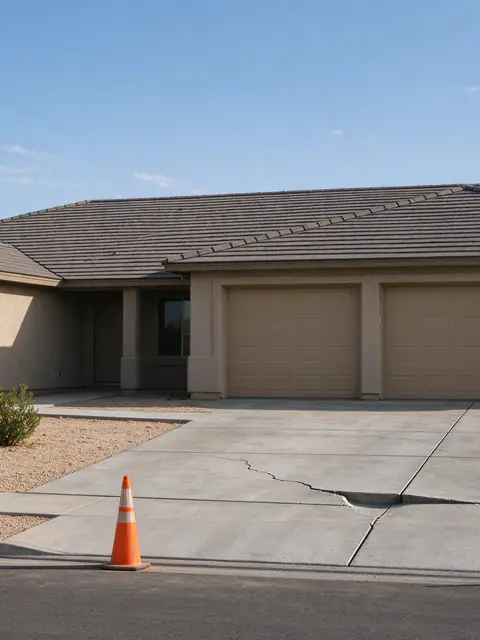
Gilbert
Town of Gilbert
-
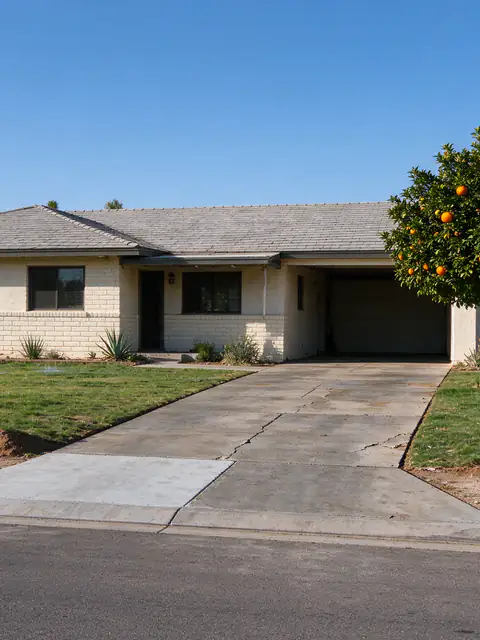
Arcadia and Camelback East
City of Phoenix
-
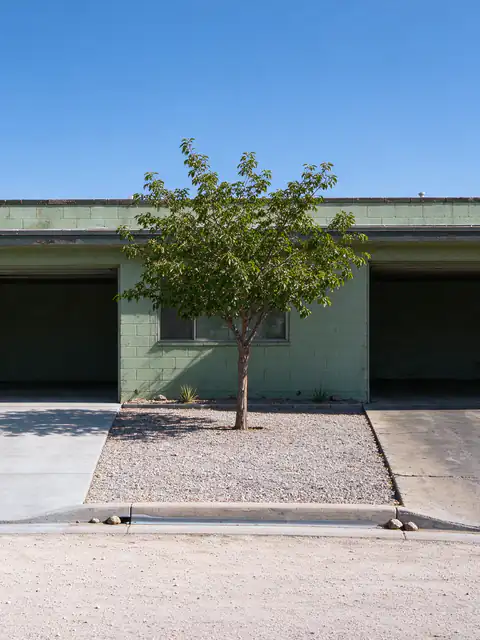
Tempe
City of Tempe
-
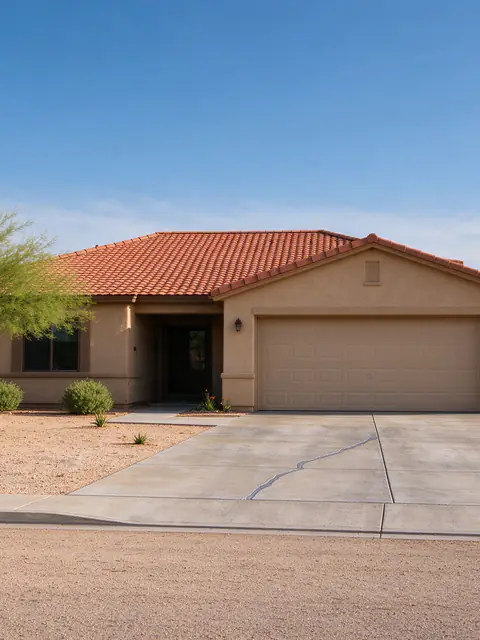
Chandler
City of Chandler
-
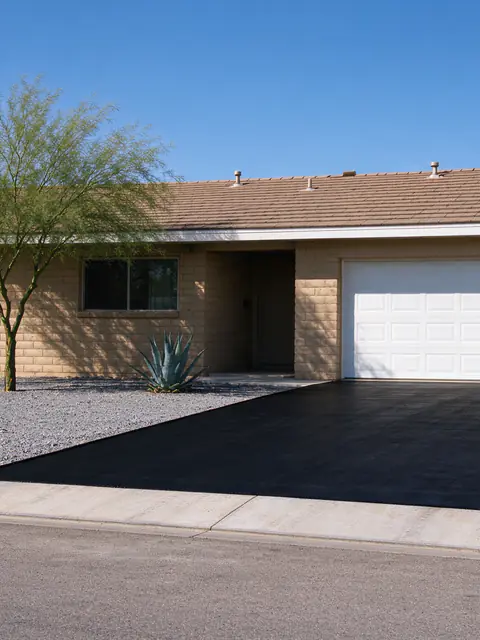
Glendale
City of Glendale
-
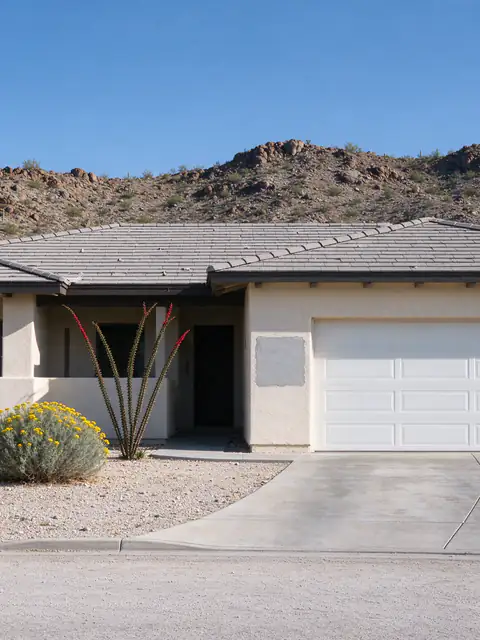
South Phoenix
City of Phoenix (South Mountain village)
-
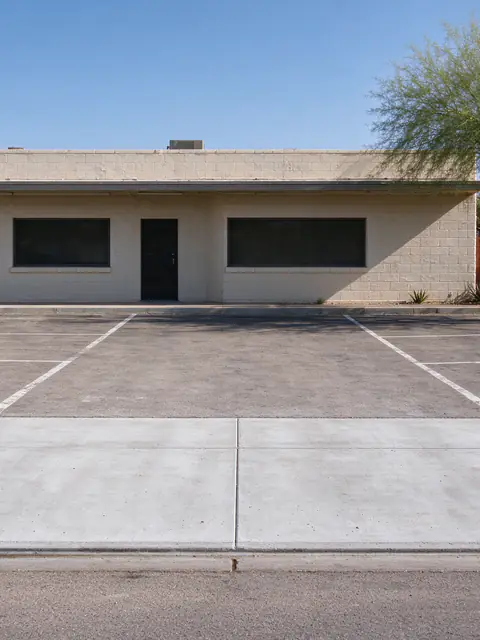
Central Phoenix
City of Phoenix (Central City village)
-
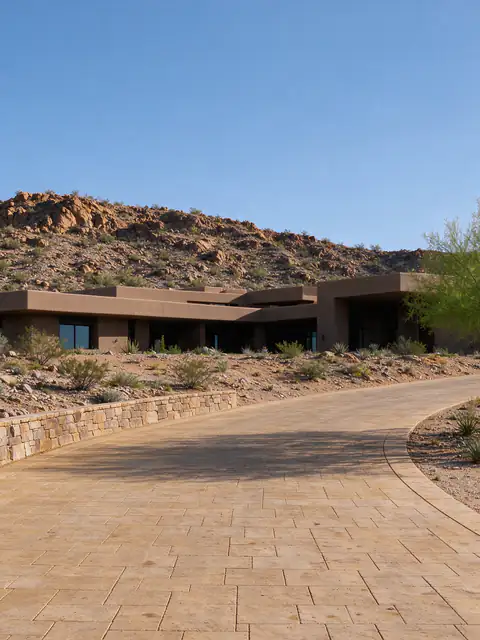
Paradise Valley
Town of Paradise Valley
-
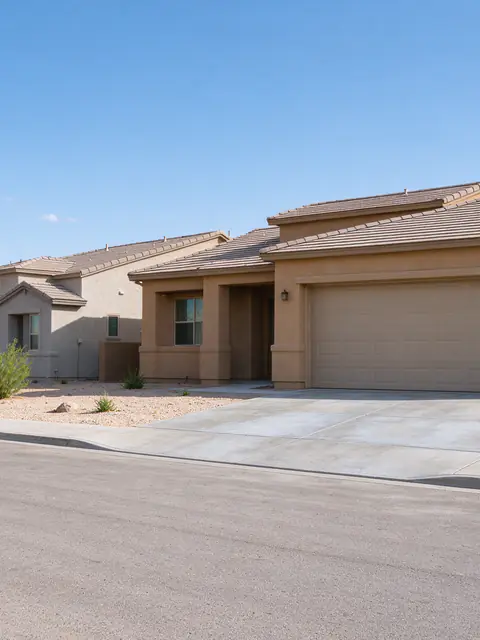
Surprise
City of Surprise
-
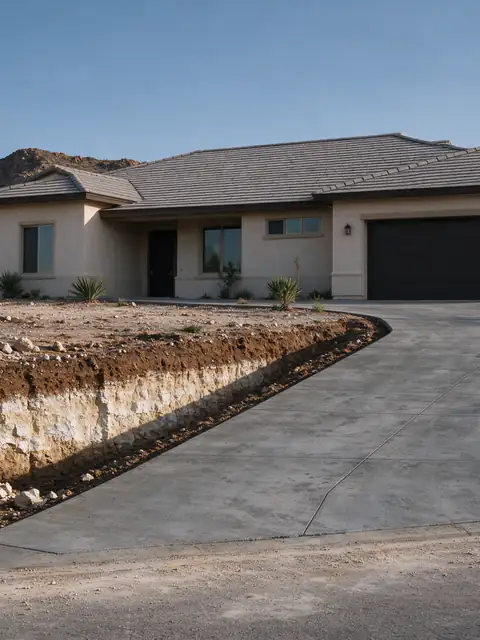
Peoria
City of Peoria
-
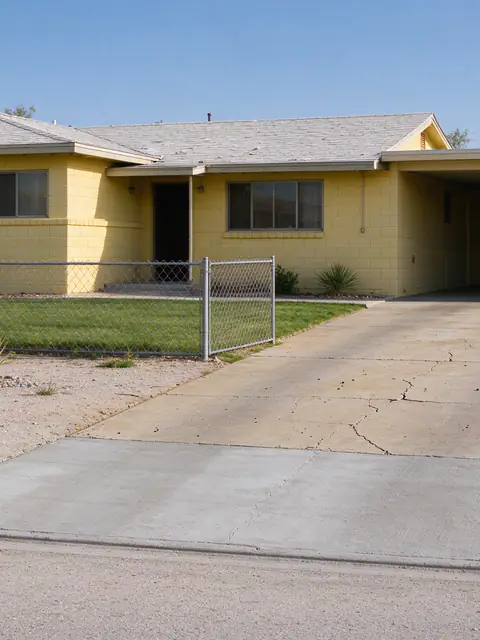
Maryvale
City of Phoenix (Maryvale village)
-
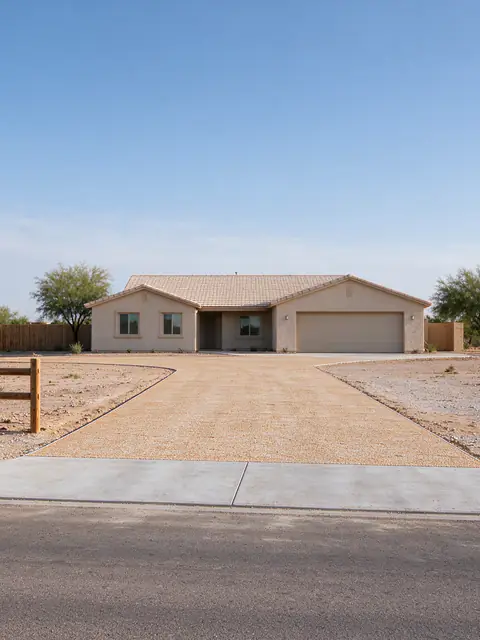
Queen Creek
Town of Queen Creek
-
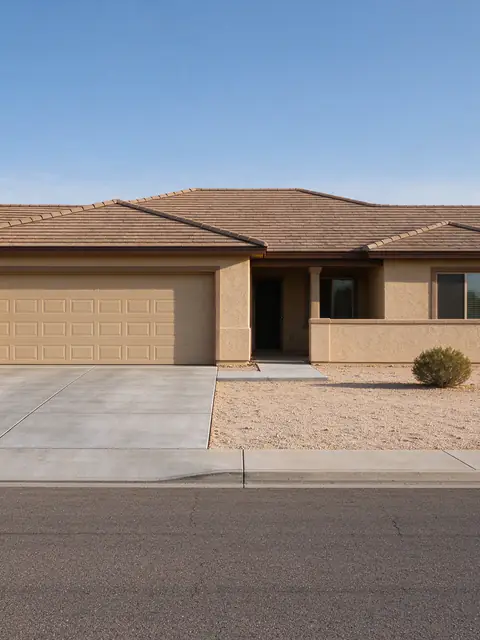
Avondale
City of Avondale
Where the service areas sit
| Area | Permit office | Homes before 1980 | Shrink-swell soil points |
|---|---|---|---|
| Mesa | City of Mesa | 29.0% | 46.2% |
| Scottsdale | City of Scottsdale | 28.8% | 56.4% |
| Gilbert | Town of Gilbert | 4.1% | 78.4% |
| Arcadia and Camelback East | City of Phoenix | 57.2% | 31.1% |
| Tempe | City of Tempe | 41.2% | 61.4% |
| Chandler | City of Chandler | 9.8% | 76.9% |
| Glendale | City of Glendale | 35.4% | 29.2% |
| South Phoenix | City of Phoenix | 37.1% | 42.6% |
| Central Phoenix | City of Phoenix | 48.3% | 50.0% |
| Paradise Valley | Town of Paradise Valley | 41.8% | 11.4% |
| Surprise | City of Surprise | 2.8% | 52.0% |
| Peoria | City of Peoria | 9.5% | 46.2% |
| Maryvale | City of Phoenix | 52.1% | 66.7% |
| Queen Creek | Town of Queen Creek | 3.1% | 17.9% |
| Avondale | City of Avondale | 12.0% | 18.4% |
Homes: U.S. Census Bureau American Community Survey 5-year estimates; Phoenix neighborhoods use their urban village. Soil: share of sampled USDA NRCS soil survey points, which describe an area, not a specific lot.
Driveway repair in Deer Valley
- Deer Valley is an urban village of the City of Phoenix without its own page here; work in the street right-of-way is permitted by the City of Phoenix.
- 22.6% of homes were built before 1980; the median build year is around 1989 (Census ACS, village estimate).
- 43.9% of sampled soil points show moderate or higher shrink-swell, and 8.8% show cemented layers such as caliche (USDA NRCS).
- Nearest area pages: Glendale and Peoria.
Driveway repair in Ahwatukee Foothills
- Ahwatukee Foothills is an urban village of the City of Phoenix without its own page here; work in the street right-of-way is permitted by the City of Phoenix.
- 10.2% of homes were built before 1980; the median build year is around 1993 (Census ACS, village estimate).
- 19.6% of sampled soil points show moderate or higher shrink-swell, and 7.8% show cemented layers such as caliche (USDA NRCS).
- Nearest area pages: South Phoenix and Tempe.
Driveway repair in Desert View
- Desert View is an urban village of the City of Phoenix without its own page here; work in the street right-of-way is permitted by the City of Phoenix.
- 2.4% of homes were built before 1980; the median build year is around 2004 (Census ACS, village estimate).
- 40.0% of sampled soil points show moderate or higher shrink-swell, and 6.0% show cemented layers such as caliche (USDA NRCS).
- Nearest area pages: Scottsdale and Paradise Valley.
Driveway repair in Goodyear
- The City of Goodyear's homeowner permit FAQ says a permit is not required for residential concrete flatwork, but zoning requirements apply to this work, and owners are responsible for checking their HOA's CC&Rs before making changes.
- Street-side work, such as an apron or curb, is confirmed per address with the City of Goodyear.
- 4.1% of homes were built before 1980; the median build year is 2007, and 78.5% were built in 2000 or later (Census ACS).
- 40.9% of sampled soil points show moderate or higher shrink-swell, and 0.0% show cemented layers such as caliche (USDA NRCS).
- Nearest area pages: Avondale and Maryvale.
Not sure which area page fits your address?
Ask for an estimate with your ZIP code; the permit office and local rules are confirmed per address.
Get an Estimate anywhere in the Valley
Tell us the surface, what changed and the nearest cross streets. Photos of the damage and the street edge make the estimate more useful.